

Rethinking The Climate Diagnosis
Imagine you have organ failure and your doctors are focused on lowering your fever - you might feel better for a while, but how long will it keep you alive..?
Global warming is no small symptom in our climate crisis, and the work being done to tackle it by lowering carbon emissions is incredibly important - but it remains a symptom of a much wider and more wicked problem: the systemic degradation of nature.
Ecosystems are our planet’s vital organs. They can take some damage and recover, but if we push them too far they start failing.
Deforesting the Pantanal, the world’s largest tropical wetland region, is equivalent to damaging your kidneys. You may not feel it right away, but everything downstream suffers — fluid retention, toxicity, collapse.
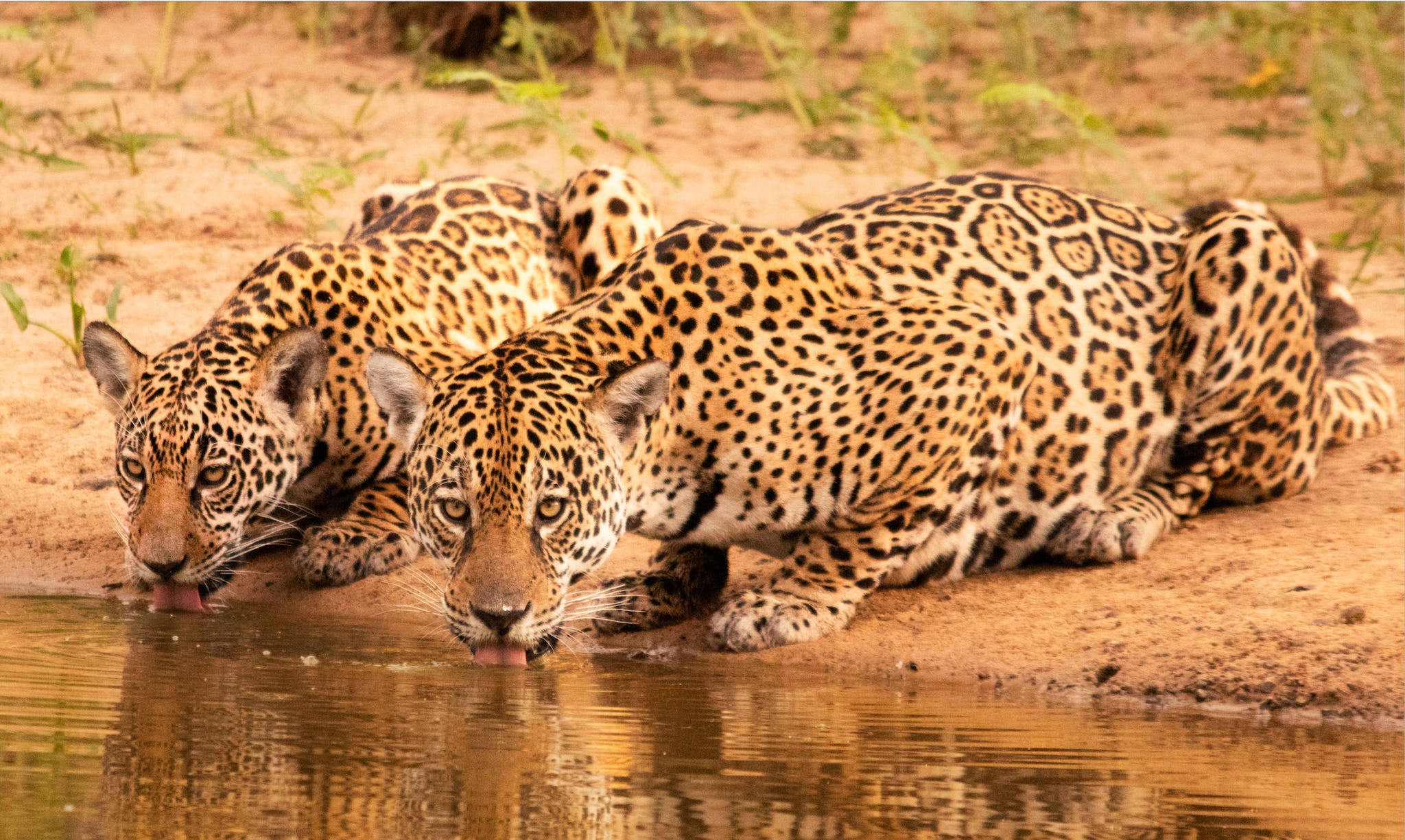
Climate extremes like droughts and floods are not isolated events.
They’re consequences of failing ecosystems due to nature degradation — they carry real costs for investors.
Brazil 2024
While half a million people were displaced by catastrophic floods in Porto Alegre, the Amazon basin experienced one of the worst droughts in its recorded history.
Two extremes, one underlying cause — the collapse of Brazil’s “flying rivers”. These atmospheric rivers — vast corridors of moisture moving from the Pantanal wetlands and Cerrado savannah to the Amazon rainforest — depend on healthy, forested ecosystems to function. When wetlands and savannahs are degraded or cleared for cattle or soy, these ecological pumps break down. Rainfall patterns become erratic.
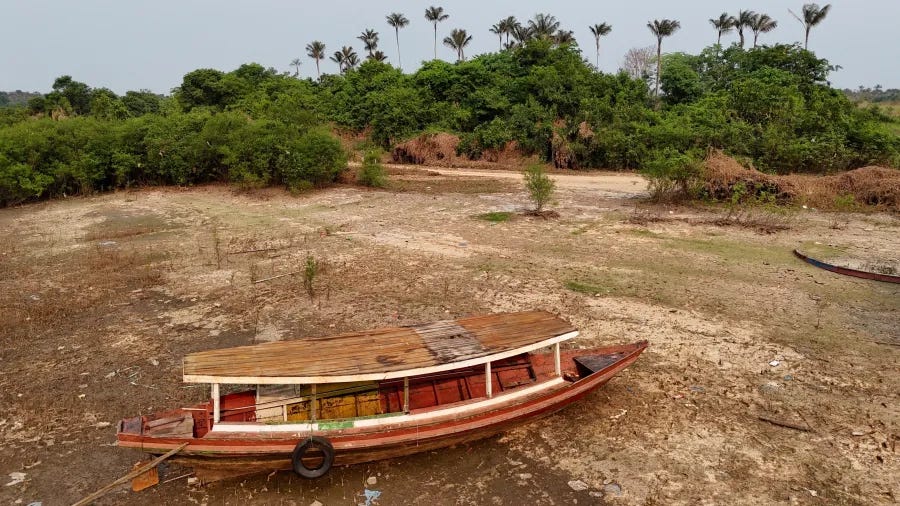
The result? Drought where there should be water; floods where there should be balance.
The floods alone caused over $15 billion in economic losses.
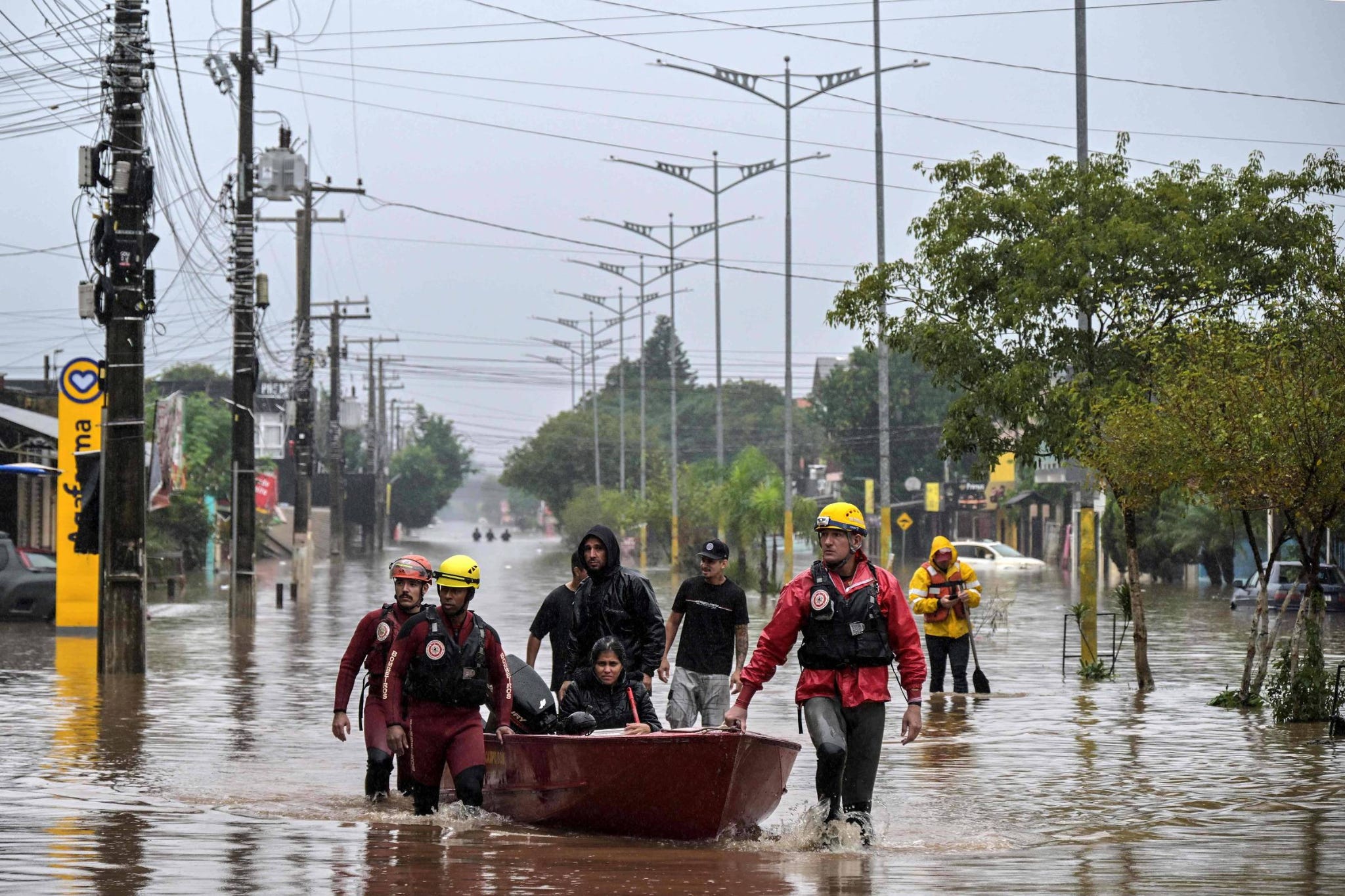
Investors with exposure to Brazilian infrastructure, agribusiness, real estate, etc. felt it.
So yes, we do have a carbon problem — but the real risk lies deeper.
Protecting a wetland in the Pantanal might not look like a traditional investment — but it could be a smart move to safeguard assets across Brazil.
The Market Failure Behind The Organ Failure
We’ve been living under a myth that nature is infinite, or rather infinitely self-regenerative.
Many people have come to understand this is not the case, but our financial markets and economic structures haven’t yet caught up with reality.
Take any piece of land or ocean anywhere in the world today and ask a human to make it work for their families, communities, or shareholders. Here are their options:
Hunt & Gather ($31.1 Trillion)
Clear it to produce food — $5 T (McKinsey)
Mine it for minerals, metals, sand — $1.9 T (The Business Research Company)
Log it for timber, charcoal, wood products — $1 T (Grand View Research)
Build infrastructure, real estate, roads — $15 T (Expert Market Research)
Extract oil, gas, or fossil fuels — $6.7 T (Kings Research)
Fish it — $567 B (The Business Research Company)
Hunt wildlife — $667 B (Coherent Market Insights)
Pump water — $303 B (Zion Market Research)
Protect & Restore ($244 Billion)
Ecotourism — $219 B (IMARC Group)
Land-use carbon credits — $25 B (Global Market insights)
Can you see the problem?
“The free rider problem is that everyone has an incentive to ride for free, but if everyone rides for free, the system collapses.”
Mancur Olson, The Logic of Collective Action (1965)
Now - can you see the market opportunity?
Schumpeter taught us that every collapse in the old economy opens space for a new economy.
Every free ride nearing its ends is a market waiting to be built.
Assign value to anything and markets organically grow around it:
NFTs
Smooth skin
Monthly users, clicks and eye balls
Labubus
Baseball cards
Carbon Capture..!

Assign value to ecosystem health and people will intuit and engineer new business models, technologies, professions, laws etc around it.
The Rise of a Nature Economy
We’re at a turning point in history.
Geopolitics are shifting.
AI is rewriting the rules of work and value.
The old systems are cracking.
A revolution is already underway, and given how deeply we depend on nature, it can only play a central role in it.
Once we assign financial value to ecosystems based on their health — not just their extractive potential — we’ll experience the rise of a different sort of nature economy:
Natural ecosystems on balance sheets as living, productive assets, measured on their overall health.
Landowners with financial incentives to track, protect, and enhance that health.
Entire professions that emerge to protect, improve and verify ecological performance.
Governments designing tax incentives and legislation to reinforce ecosystem health.
Nature stewards, landowners, and investors rewarded for conserving, protecting and supporting the regeneration of these ecosystems.
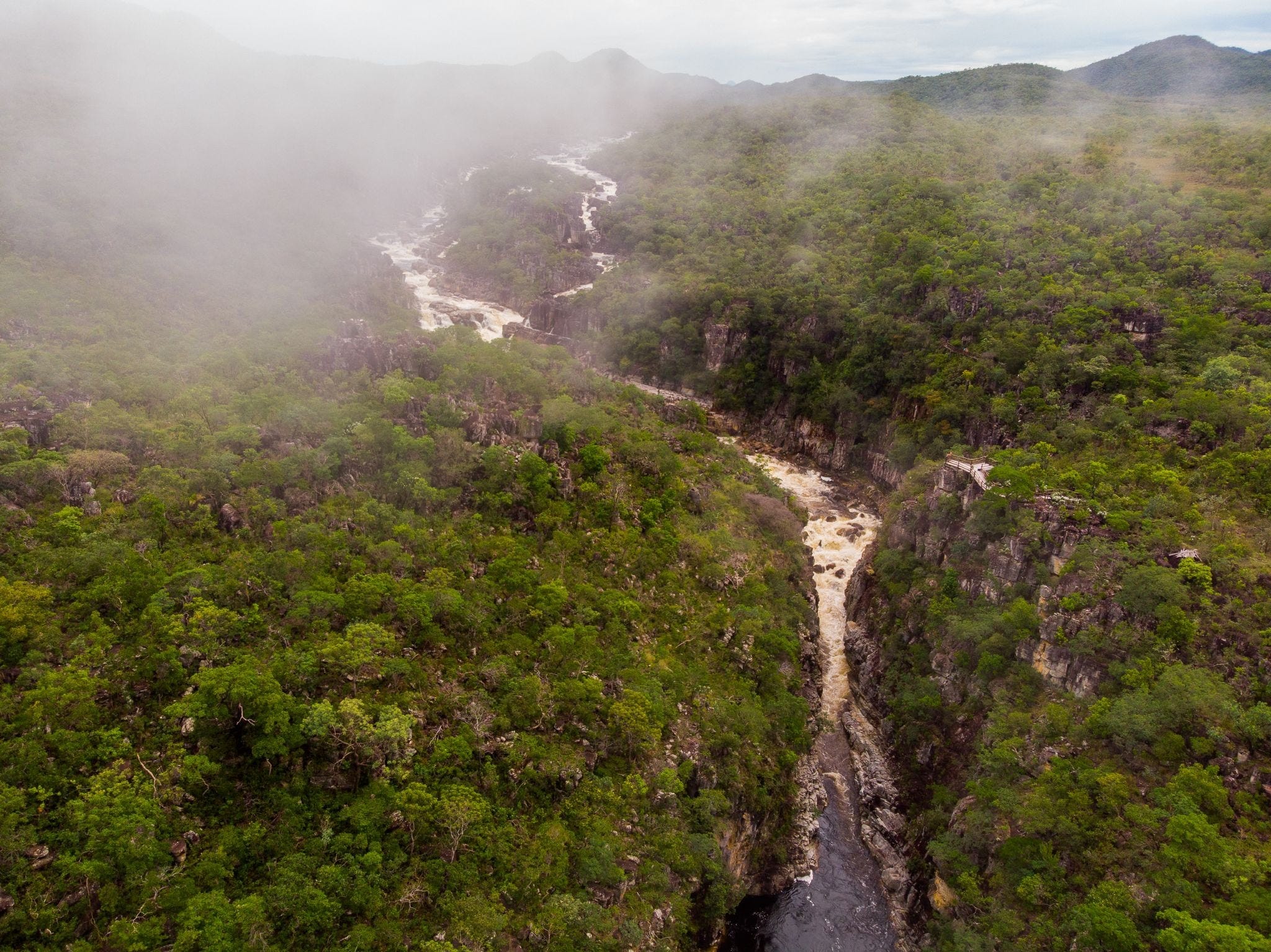
If you think I’m crazy, I’m not alone!
There are many of us dedicating our time and investing our capital in the rise of a new nature economy:
🌱 The Landbanking Group has raised $11M from four funds and ten family offices to build a “bank for nature.”
🌳 The Intrinsic Exchange Group convinced the NYSE to list nature asset companies based solely on ecological attributes — until Republicans blocked it.
🌾 Across the U.S., people are “ensuring”, rather than insuring, nature on ensure.app, based on the natural capital value of ecosystems beyond their real estate value through BASIN.
🦘 In Australia, an investment banker and founding director of New Forests created InvestConservation to tokenise carbon and biodiversity for conservation finance.
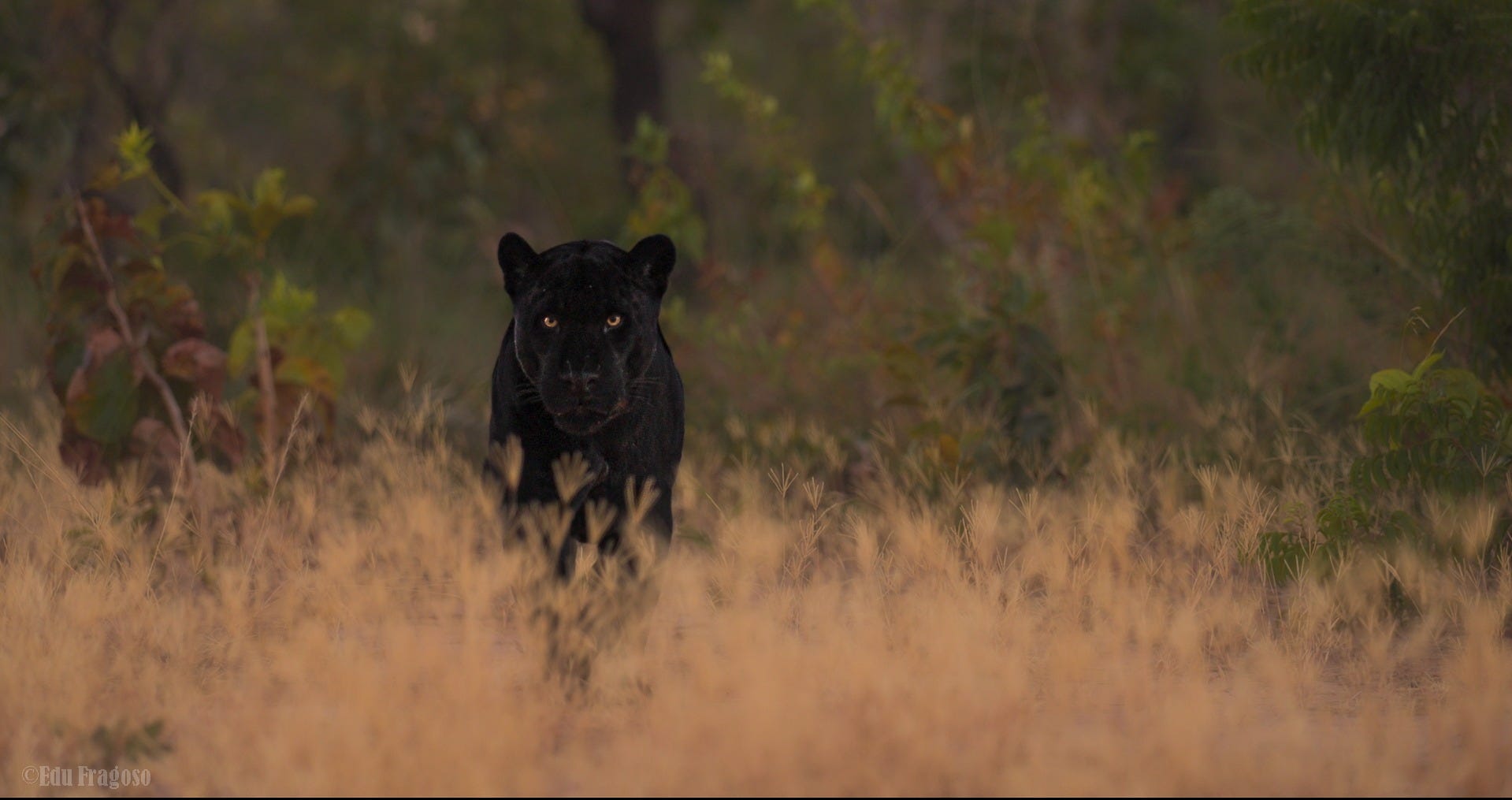
🐆 High-net-worth investors from around the world are investing in |XAU’s first nature assets in Brazil, protecting jaguars and hyacinth macaws from extinction.
Why We Can’t Rely on Carbon
Remember the fax machine? Truly incredible technology that revolutionised the transmission of written documents..!
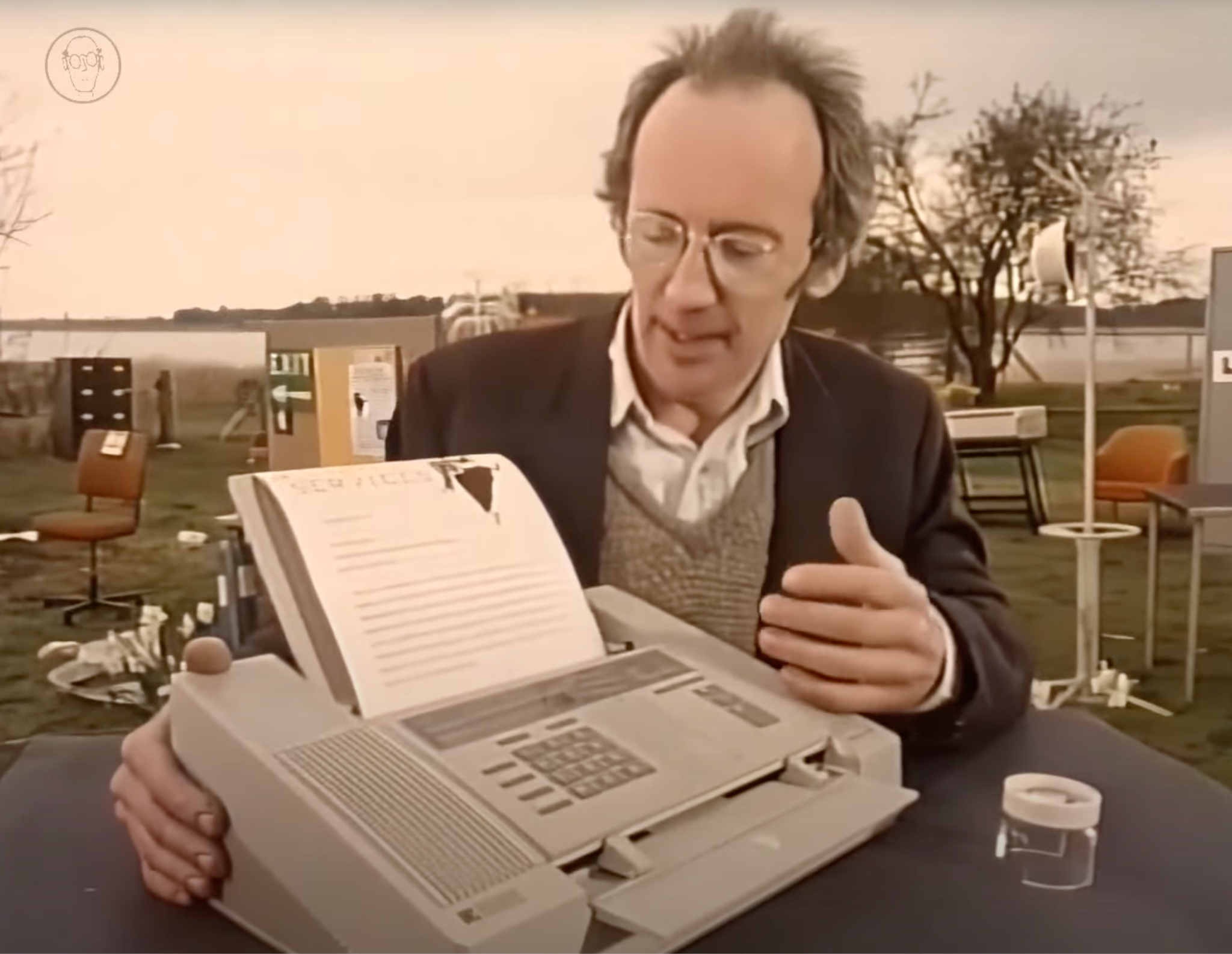
Pioneer solutions aren’t failures because of their limitations — they’re stepping stones. Bridges into the future.
So, what are the main limitations of today’s carbon markets?
Cost and complexity - Carbon projects often require over $200K in feasibility studies and technical documents (PDDs), with timelines stretching months or even years before there’s clarity on whether the project is investable.
Perverse Incentives - Carbon standards have tightened to prevent greenwashing, often creating unintended problems: rewarding destruction followed by restoration, while sidelining the conservation of intact ecosystems.
Carbon markets are powerful tools for the restoration of damaged ecosystems that completely fail to support the conservation of the planet’s remaining natural wealth.
They are an essential pivot.
And now it’s time to leap forward — into markets that value the protection of pristine forests and healthy oceans, where carbon can sink.
It’s time to develop Nature Asset Markets.
Nature Asset ≠ Real Estate
To build real markets for nature, we must decouple ecological value from land value.
As long as ecosystems are treated as “real estate”, we’ll remain stuck in short-term profit cycles that undermine long-term value creation.
This split isn’t radical or new. Seeds, crops, trees, and livestock have long appeared on balance sheets as assets, separate from the real estate they stand on.
Natural ecosystems aren’t missing from balance sheets because we lack frameworks.
They are missing because we priced them at zero.
One does not need to own or control land to invest in the protection of its ecology.
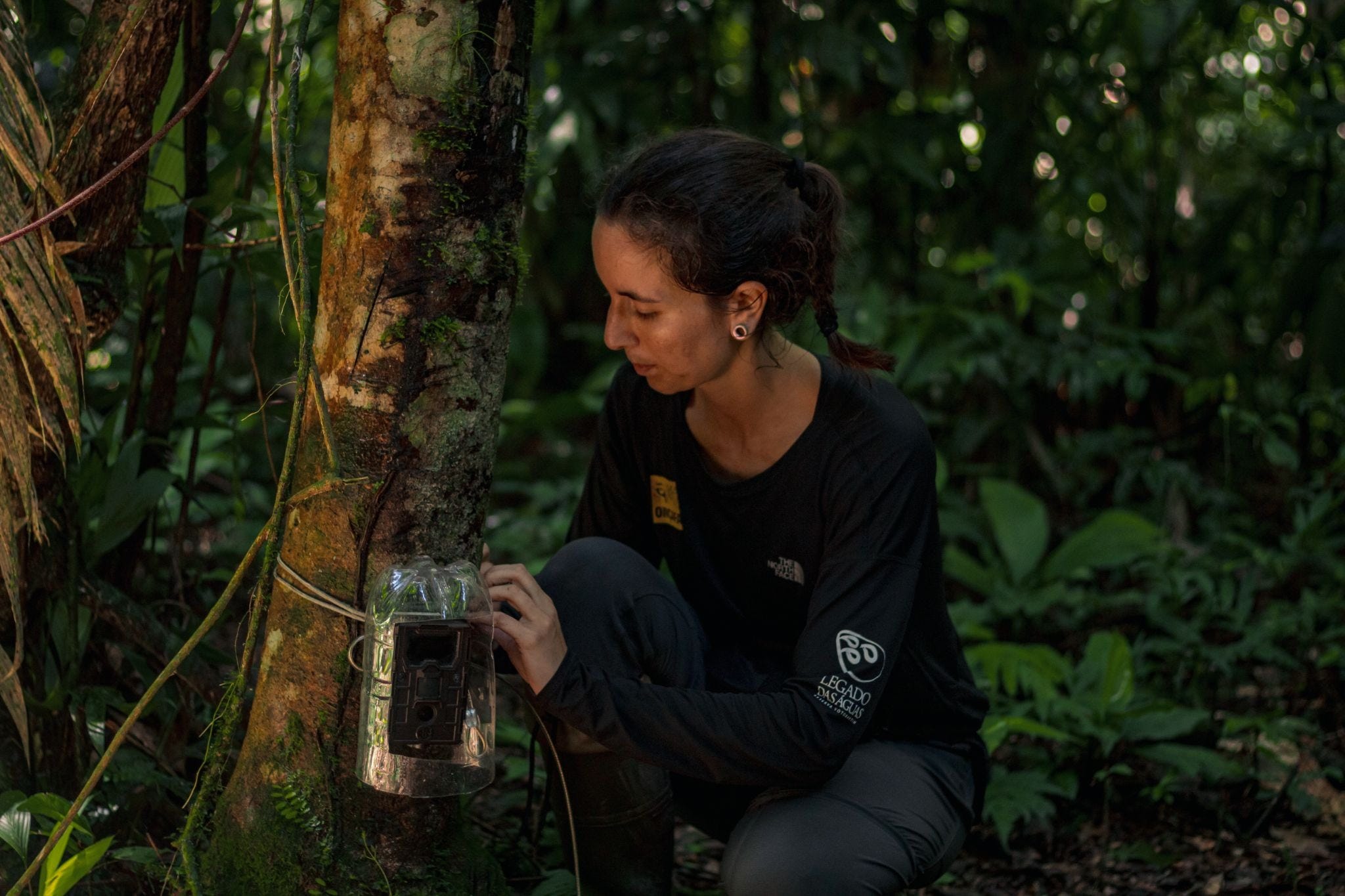
That’s why most pioneers in the nature asset space are separating ecological rights from property rights.
Not only does this reflect how natural capital already functions — it also improves liquidity.
Foreign land ownership carries complex colonial baggage for local stewards, as well as practical burdens for investors: regulatory restrictions, title deeds, land transfer taxes → all reducing asset mobility.
Separating ecological rights from land ownership is a win-win: more liquidity for investors, more autonomy for land stewards.
Value Beyond Revenue
Plenty of assets are valued for what they enable rather than what they directly earn — a brand, a reputation, a user base.
Facebook saw value in WhatsApp for the ecosystem it developed and the users it hosted despite little to no revenue at the time - US$19B in value for a company with nearly $140M annual loss.
Others are simply valuable for their intrinsic value, like art or gold.
An asset’s financial value can range from making a company more investible to improving its credit rating.
We see nature the same way.
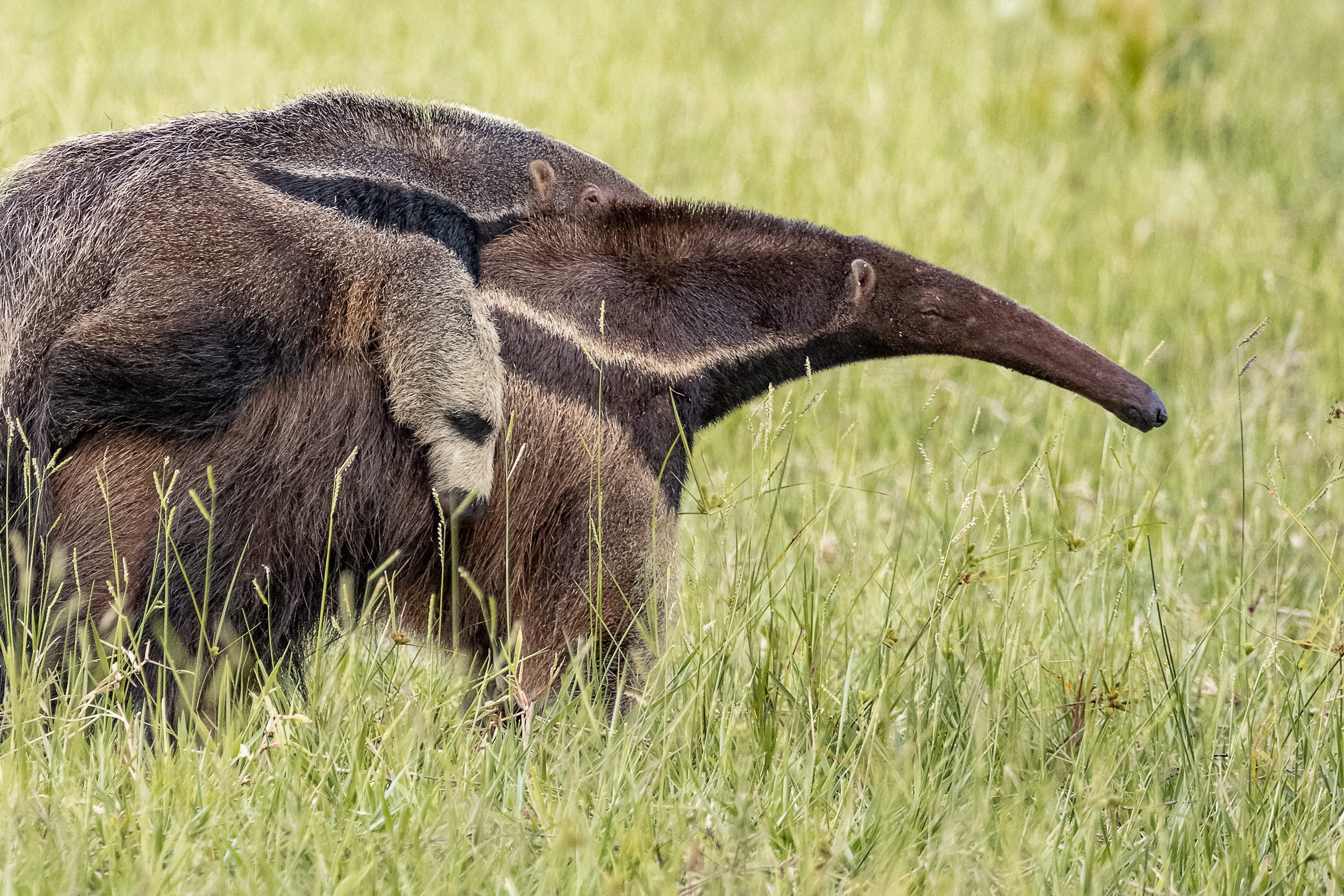
Wetlands, coral reefs and pristine rainforests are organs of the Earth - regulating water cycles, stabilising the climate, and sustaining both life and the economies built upon them. Vital organs whose protection and conservation have lasting value.
From Free Ride to First-Mover Advantage
But Joana, are you mad? Nobody has ever assigned financial value to nature, it’s never going to happen!
I’ve heard that more than a few times…
You might remember a similar free ride that seemed impossible to end, until it did, not so long ago: slavery.
The end of slavery and apartheid weren’t without challenge and tragedy. Free rides only end at the verge of collapse, by their very definition.
But that does not mean they do not end.
“It always seems impossible until it’s done.”
Nelson Mandela
Climate change and biodiversity loss aren’t just “market failures” NGOs and philanthropists can patch up — they are signs of a global system unraveling. A free ride at the edge of collapse.
The assetisation of nature is a global phenomenon that arises from this very collapse - like a phoenix rising from its own ashes.
The death of this free ride, as painful as it will be to all of us, offers the greatest opportunity of our time: the birth of new markets that treat and value nature as the infrastructure that it is.
Let’s not forget — people who were once enslaved, with no rights, no income, and no perceived value, now represent $1.4 trillion in U.S. buying power. That transformation wasn’t easy. But it happened. And it reshaped the world, creating opportunity.
The question is not if, but when nature will be valued.
The sooner we act, the more we can shield our communities and economies from the unraveling ahead.

Invitation To Action
New economies don’t build themselves. Here are three suggestions for you to take action to shape and fuel the New Nature Economy:
1. Markets don’t get built on consensus - they get built on transactions.
Help originate transactions, rather than sustain dependencies. Next time you feel called to donate to a conservation NGO, ask them if you can buy biodiversity credits instead, or pay for nature outcomes.
2. Value is never inherent - it is assigned by people like you and me.
Find a nature asset developer you trust, with assets that protect species close to your heart - Mountain Gorillas, Jaguars, Black Rhinos, Blue Macaws, Orangutans, Kakapos, Great Whites - and make an investment.Whatever happens to your stock portfolio after the AI revolution, one thing’s certain: we’ll still need nature.
3. Capital is the most powerful engine of change in a capitalist world.
Ask the people managing your wealth to assess your exposure to nature and biodiversity loss in the same way Norges Bank does for the people of Norway. Signal in your conversations with the people that make up our financial markets that nature carries double materiality — risk and opportunity.
“We are the first generation to know we are destroying the world and the last that can do anything about it.”
— Tanya Steele, CEO WWF-UK
About the Author
Joana Picq is a Silicon Valley-seasoned entrepreneur trained in engineering and archetypal psychology, dedicated to putting biodiversity on the balance sheet.
Through her startup IXAU, she weaves together finance, conservation, government, and community governance to structure nature assets that enable nature stewards to raise capital — in ways that benefit ecosystems, custodians and investors.
She believes that behind every financial market is a myth — and that how we value nature depends on the stories we’re willing to rewrite.
Innovative Finance Shares
Mad Capital is hiring a Portfolio Manager and Director of Credit
Social Entrepreneurship through Acquisition (sETA) - Transform Finance
